A trading partner, in EDI terms, is any business a supplier exchanges electronic documents with, most often a retailer, but the term also covers distributors, third-party logistics providers, and sometimes other suppliers in a shared supply chain. The word “partner” describes the relationship, not a level of formality. A supplier can have a trading partner relationship with a company it has never spoken to directly, because the entire exchange happens through EDI documents moving between systems.
What Actually Gets Exchanged
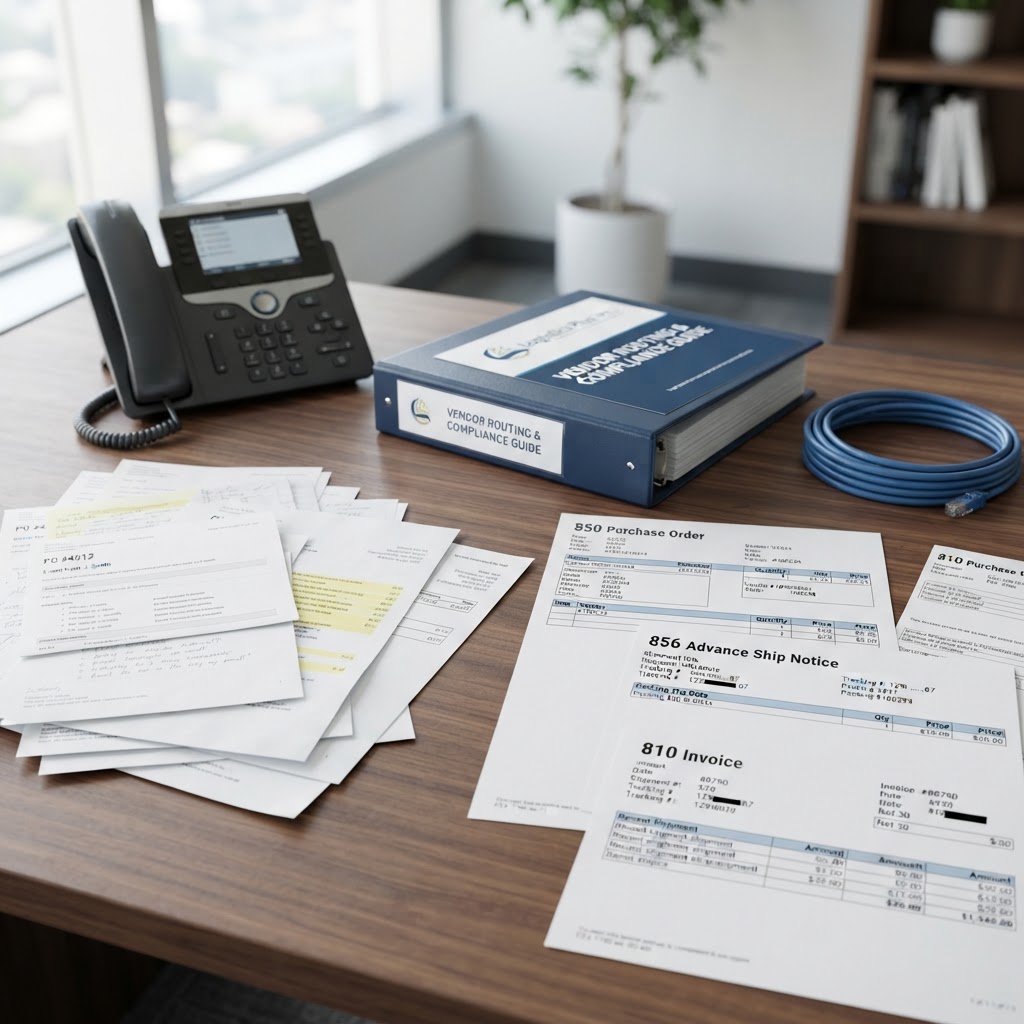
Each trading partner relationship is built around a set of standard document types, identified by their EDI transaction numbers:
- The 850 is the purchase order the retailer sends to the supplier.
- The 855 is the supplier’s acknowledgment of that order.
- The 856 is the Advance Ship Notice, describing a shipment before it arrives.
- The 810 is the invoice.
- The 820 is the remittance advice showing what was actually paid.
Not every trading partner requires every document type. A smaller retailer might only require an 850 and an 810, while a large retailer’s routing guide can mandate a dozen document types along with strict formatting rules for each.
Why Every Trading Partner Is a Little Different
The EDI standard defines the structure of a document, but it leaves considerable room for each company to specify exactly how it wants that structure used. This is why a supplier connecting to a new retailer cannot simply reuse the mapping built for a different one. Item identifiers, unit of measure conventions, required fields, and even acceptable date formats can all vary from one trading partner’s specification to the next, even though both are technically sending an EDI 850.
This is also why onboarding a new trading partner is usually described as a certification process rather than a simple connection. The supplier’s EDI setup has to be tested against that specific retailer’s requirements and approved before live documents can flow.
How the Relationship Actually Runs
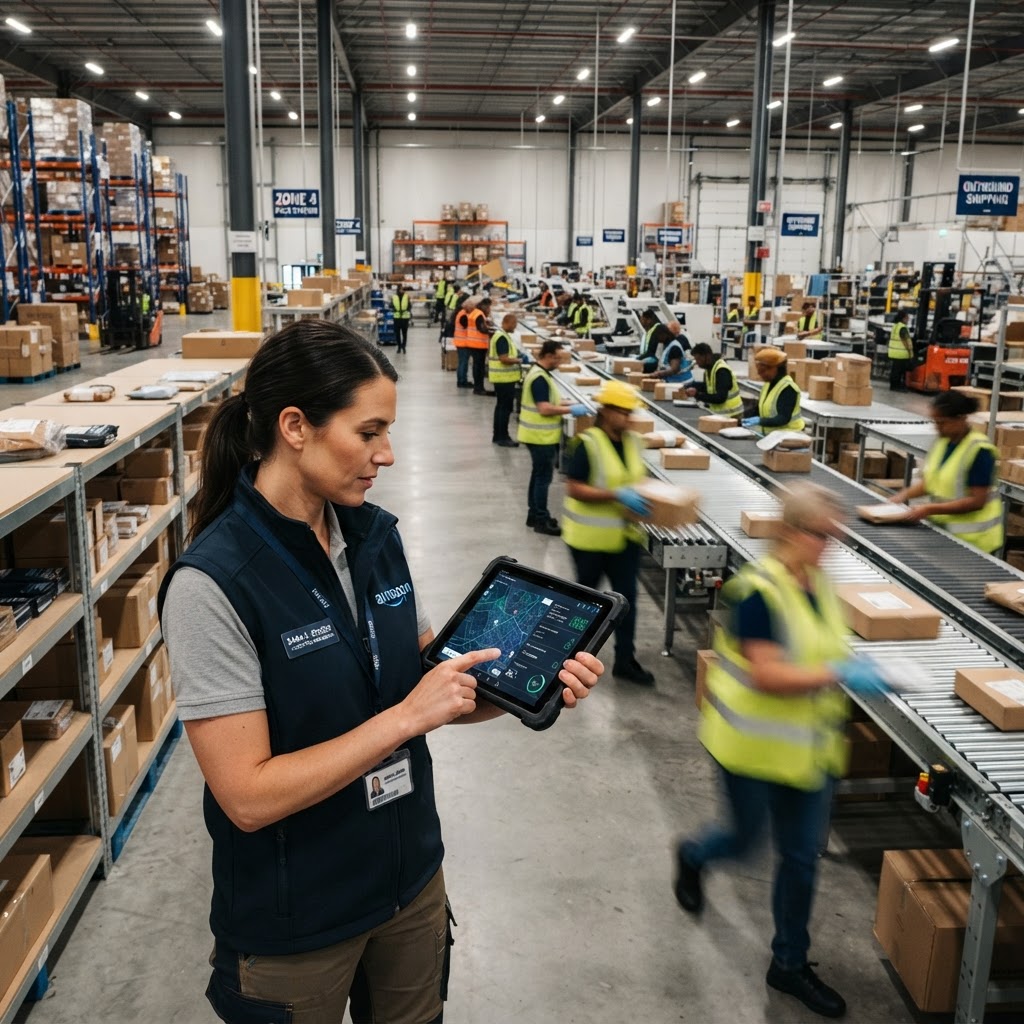
Once a trading partner connection is certified, the exchange is largely automatic. Purchase orders arrive, acknowledgments and shipment notices go out, invoices follow, and remittance advices confirm payment, all without a person retyping data between systems. The relationship shows up operationally as a steady flow of documents rather than as a series of individual transactions someone has to initiate.
Spring Systems maintains active connections to more than 500 retail trading partners, each with its own certified setup already in place. Suppliers adding a new retailer relationship can schedule a demo to see what that trading partner’s specific requirements look like before onboarding begins.